Retail and products
Product video ideas for small business: twelve buyer questions to answer
Turn product listings and customer questions into twelve useful clips: fit, compatibility, accessories, care and bundle prices.
If you run a small skincare or body-care brand, this guide gives you seven videos to make from the bottle on your shelf and the questions in your inbox. You will leave with shot prompts, a launch-week workflow and a short serum storyboard. The regulatory examples concern the United States, not every market: check the current rules wherever you sell. This is editorial guidance, not legal or medical advice.
In the U.S., intended use determines whether something is a cosmetic, a drug or both. Advertising can establish that use. A moisture or appearance message differs from a claim to treat eczema or change skin function (FDA). Review the hook, caption, narration and visuals together; check the current rules with a regulatory adviser if treatment is implied.
Do not assume a cosmetic label settles the question. A sunscreen moisturiser can fall under both categories (FDA). Before writing a video, gather the label, directions and evidence behind the claims you intend to use. Make a working sheet with three columns: proposed wording, supporting document and reviewer. An empty evidence column is a reason to pause that line, not to replace it with a softer adjective.
These are editorial warning flags based on the FDA’s intended-use framework, not FDA rulings on each phrase or approved replacements (FDA). Check current rules; no wording swap establishes compliance. Even an appearance claim needs support for your product.
| Draft wording | What to question | What to review instead |
|---|---|---|
| “Heals cracked skin” | Does this imply treating damaged skin? | A supported description of feel or texture; do not preserve a healing promise. |
| “Clears acne” | Does the video present an acne treatment? | The product’s regulatory status and approved marketing wording, not a cosmetic synonym. |
| “Boosts collagen” | Does this promise a structural change? | Evidence and regulatory review before using the claim. |
| “Repairs your skin barrier” | What function or benefit does the viewer understand? | The complete message and its evidence; “moisturises” is not an automatic fix. |
| “Soothes eczema” | Does it imply treating a disease? | Remove the treatment angle from a cosmetic-only campaign and seek review. |
| “Protects from the sun” | Does the product meet sunscreen requirements? | Current sunscreen requirements; a label alone is not enough. |
Choose the question your next buyer actually asks. The filming prompts use your real product; the illustrated cards use a text brief. Keep those two approaches clear so an animation is never presented as evidence of texture or a skin result.
Film a small amount spreading on a clean surface, with the bottle beside it. Keep the same light and avoid beauty filters. Describe what that demonstration shows: a runny liquid, a thick cream or a visible sheen. Do not turn a close-up into proof of absorption or a lasting skin benefit.
Try this: Post beside a product launch. Start with “Here is the texture” and finish by naming the product shown.
Pick a listed ingredient and point to its label name. If your formulation documents support an explanation of its role, use that wording. Otherwise, explain where the full ingredient list lives. A study of an ingredient or another serum is not evidence you should casually transfer to your finished formula.
Try this: Open with “You asked what is in this serum.” Put the product-page ingredient list in the caption’s shopping direction.
Turn your product’s own directions into a simple order card. Use the actual amount and frequency stated there; avoid prescribing a universal routine or suggesting combinations you have not assessed. If a customer asks about a prescription treatment, direct that question to their clinician rather than improvising compatibility advice.
Try this: Post after orders arrive. Say “For this product, follow these label directions” and keep each step readable.
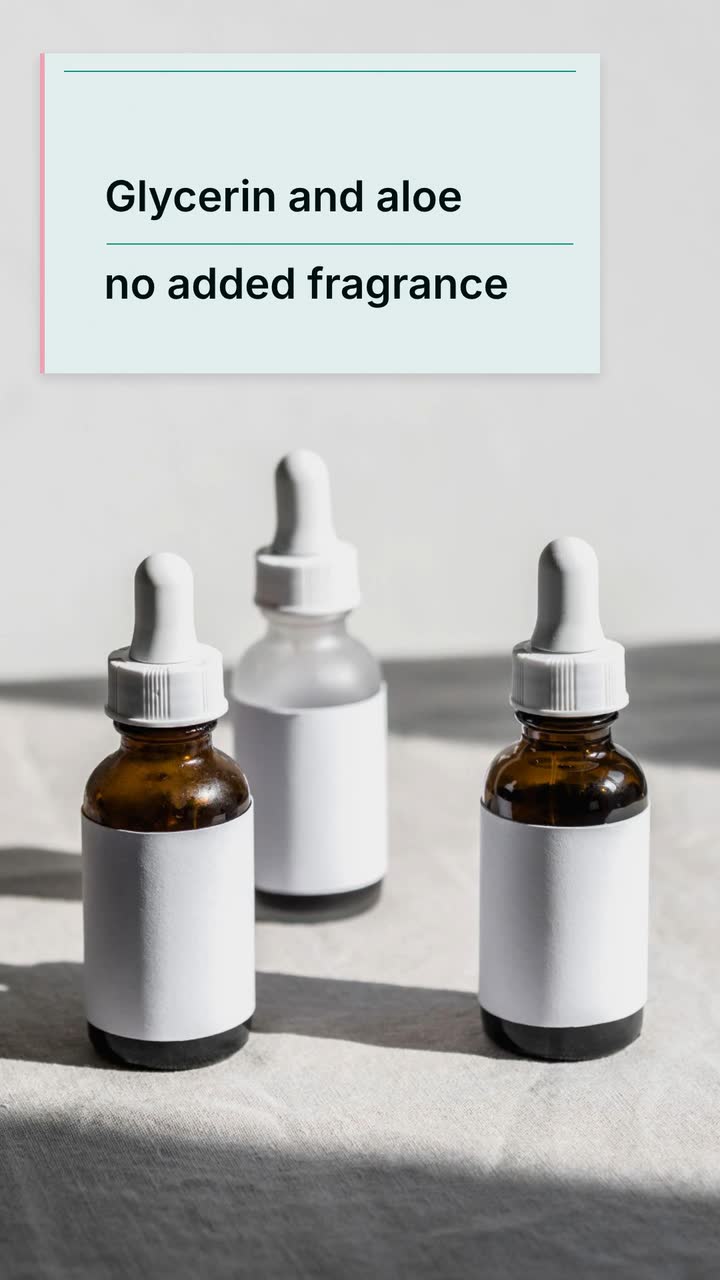
Use a drawn bottle, short feature bubbles and a price card to introduce the product without implying a real skin transformation. Describe the bottle as an illustration. Keep claims such as “no added fragrance” tied to the actual formula, not to an invented promise that nobody will react.
Try this: Try the Product hero template (Comic panel version) as an example brief and storyboard, then use one short shopping close.
Product hero · Comic panel toonAnswer a shopping question with pack size, total price and one verified formula detail. Use consistent units when comparing your own sizes, and say whether the displayed price includes tax or shipping if that distinction matters to the offer. A spec card should clarify the purchase, not claim the product is better because the bottle is bigger.
Try this: Use the Product hero template (Spec sheet version), an example brief and storyboard, for a drawn product card.
Product hero · Spec sheet buildShow opening, dispensing and closing the real package. Use the label’s dose if it specifies one; do not invent an amount that suits every product. A practical demonstration can answer “How does the dispenser work?” without giving medical instructions or predicting fewer complaints.
Try this: Post when first orders ship. Put “Using the dropper” on screen and show the closure clearly.
Choose a repeated nonmedical question, such as whether the formula has added fragrance or which bottle size is pictured. Paraphrase it anonymously. If the question asks whether your serum treats rosacea, do not turn it into a product testimonial; suggest discussing treatment with a clinician.
Try this: Save questions during launch week. End each answer with the relevant label detail or product-page section.
Do not build a video around a badge until you can explain its scope. Check current U.S. and local requirements before using these terms; the notes below are not legal advice.
Dew Botanics is an invented brand. This adapts its Product hero template (Comic panel version) example with a simpler shopping close. The template is an example brief and storyboard. The toon-style bottle is an illustration, not a photograph of the packaging.
Make a 15 s, 9:16 vertical product video for the invented brand Dew Botanics. Sell the glycerin hydrating serum at $34 USD: glycerin and aloe, no added fragrance, 30 ml dropper bottle. Use toon-style comic panels, a simple bottle illustration labelled “Illustration”, no people and no skin results. Brand colours: #0d9488, #fda4af, #f0fdfa. Start with “Glycerin hydrating serum”; show the three features one at a time, keeping them visible; then show “$34 USD · 30 ml”. Close with “Shop the serum · Dew Botanics”. No narration.
| When | On screen | Why |
|---|---|---|
| 0–3 s | Drawn bottle labelled “Illustration”, with “Glycerin hydrating serum”. | Name the product before adding features; the drawing does not demonstrate its real texture. |
| 3–9 s | Feature bubbles appear one at a time: “Glycerin + aloe”, “No added fragrance”, “30 ml”. | Keep earlier bubbles visible. Review their size and reading time in the finished video. |
| 9–12 s | “$34 USD · 30 ml” beside the bottle illustration. | Show the size beside the price without a competing gift condition. |
| 12–15 s | “Shop the serum · Dew Botanics”. | The brand’s own close is short enough to hold on screen. |
| Outro | The ProcVideos outro closes the video. | |
This is a text-only brief. Review the finished wording against the fictional product details; each generation differs, so regenerate with feedback if needed. Videos Creator is coming soon to Attain OS.
Try a brief like this one
Videos Creator is coming to Attain OS. You can create your Attain OS account today.
Try a launch sequence: record texture and dispenser demonstrations beforehand, publish the size-and-price card on launch day, then answer a nonmedical question after orders arrive. This is a suggested workflow, not a claim about the best day or how often an algorithm rewards posting.
Before each post, compare the video, caption and shop page: product name, size, price, formula details and offer conditions should agree. Watch with the sound off to check that essential text remains readable, then listen for wording that the caption does not support. Keep a note of which questions each post answers.
Choose a channel you already use, such as Instagram, and reuse a clip only after checking its text and disclosure placement there. Review follow-up questions rather than treating views as proof that a skin claim works. The small business video calendar helps schedule topics; how to write a video brief helps turn one question into a focused request.
Flag that for regulatory review before using it in a cosmetic ad. A testimonial can imply a treatment benefit; the FDA’s intended-use framework includes promotional claims ([FDA](source:1)). Check current rules and do not assume attribution removes your responsibility for the message.
No. FDA says cosmetics generally do not require premarket approval, except for certain colour additives; that is not an approval of your serum ([FDA](source:1)). Check current requirements. Review safety, labelling and other obligations separately rather than using this exception as a marketing badge.
Yes. Show the dispenser, pack size, ingredient label or an illustrated shopping card. If the point is real texture, film the actual formula. If the point is a price or feature list, a drawing can explain it without suggesting it documents a result.
State the purchase requirement, stock limit and any other applicable conditions beside the offer from its first appearance. Check current FTC guidance: a footnote is not enough, and a price markup cannot recover the cost of a supposedly free item ([FTC](source:5)). If the conditions do not fit legibly, simplify the promotion or choose a different video message.
Example templates
An example template is a sample brief and storyboard for one kind of video, in one style, format and length.
Rules and platform features change. Check the source before you rely on it.
Retail and products
Turn product listings and customer questions into twelve useful clips: fit, compatibility, accessories, care and bundle prices.
Retail and products
Plan the reveal, buying details and launch-day close, with a sample headphone brief and checks for pre-orders and creator samples.
Retail and products
Turn one linen shirt into a useful lookbook: a short storyboard, real fit evidence, six posting ideas and checks for fabric claims.
Retail and products
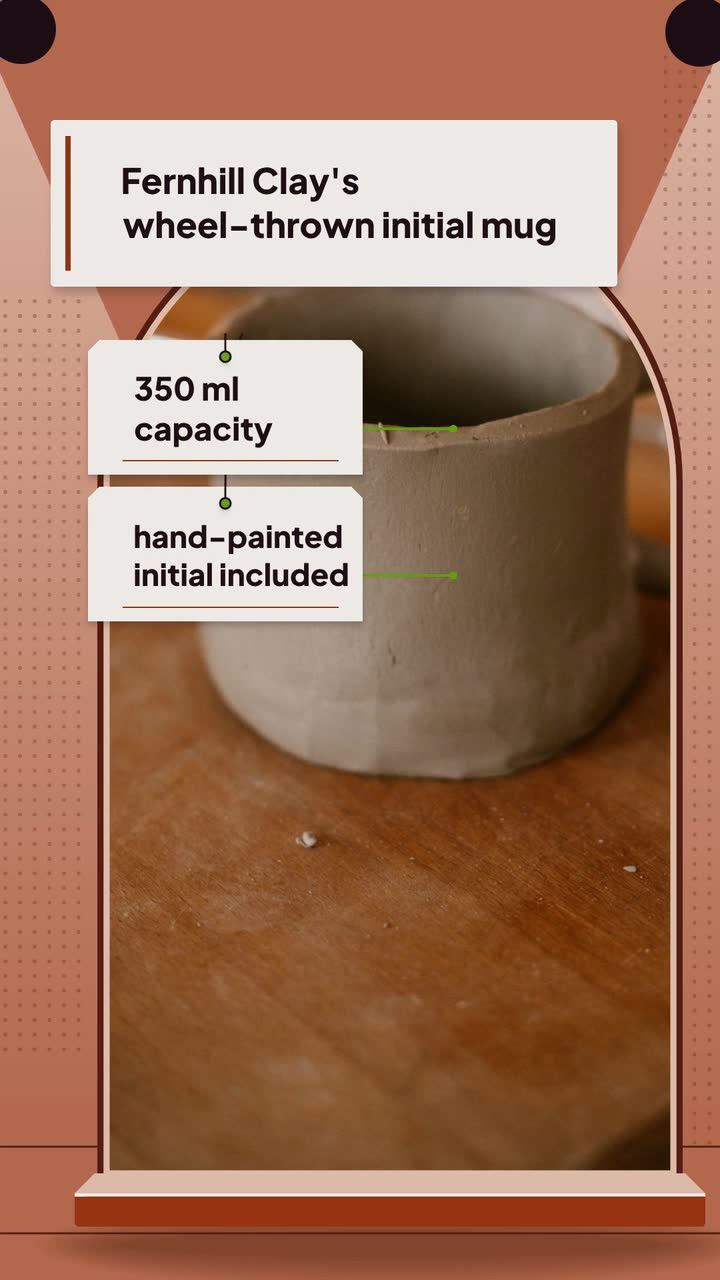
Turn one handmade piece into seven useful posts: show the process, explain size and care, and separate custom-order deadlines from shipping dates.
Tell the Attain OS team what you want to make.
Videos Creator is coming to Attain OS. You can create your Attain OS account today.