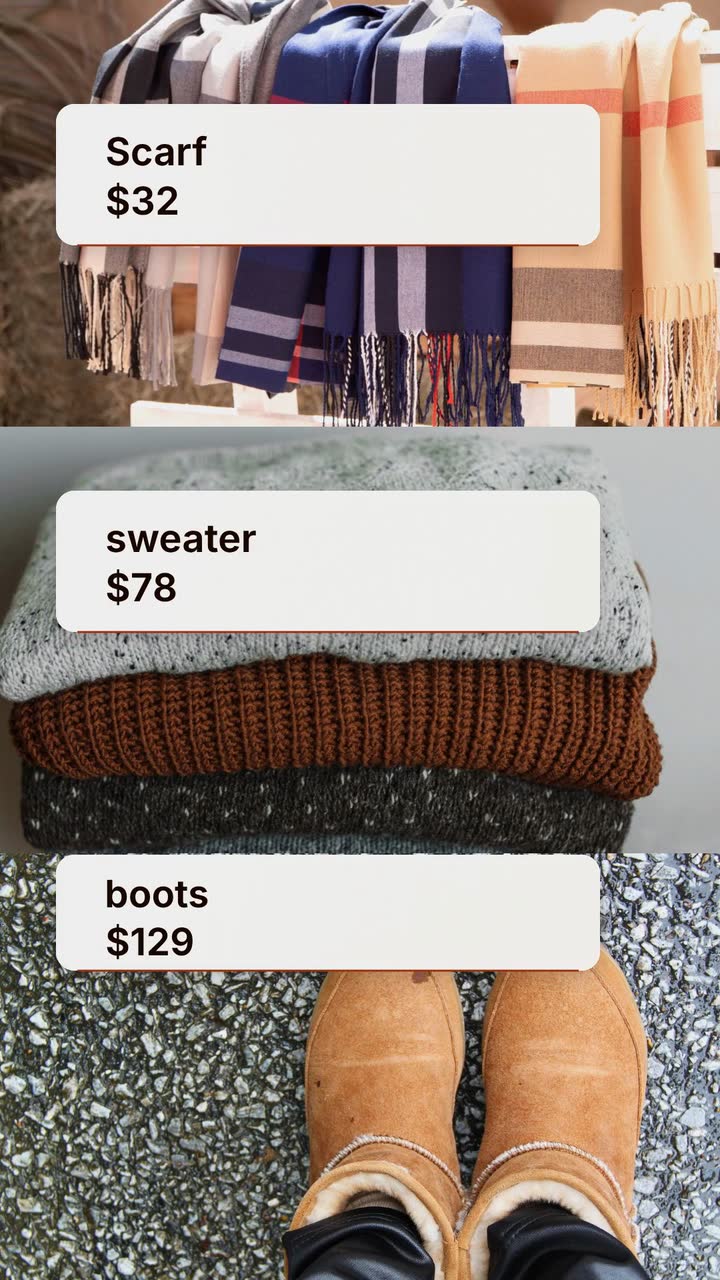
Retail and products
Boutique Instagram Reels ideas: plan around the clothes you actually stock
Turn deliveries, fit questions and changing displays into boutique Reels, with a monthly plan and a worked fall offer.
For a small clothing label or boutique, a lookbook should introduce the collection and help someone choose a garment. Follow invented brand Saltwater Linen from its line sheet to a posted video: choose what belongs on screen, pair illustration with real fit evidence, and plan six posts around launch, care and restocks. You will also know which fabric and creator disclosures to check before publishing.
Saltwater Linen is an invented two-person label. For this worked example, its camp-collar shirt is pure linen, costs $68 and comes in sand, sky and navy. The shop offers $20 off a pair of these shirts, with no code required. These are fictional product details, not market benchmarks. The brand has garment photos and measurements but wants a clearer introduction to the shirt than another folded-product shot.
Its launch post will name the shirt, show the available colour names and explain the pair offer. A separate photo sequence will show the real collar, fabric and fit. The video is an illustrated collection introduction, not a substitute for a try-on. Before writing, the owner pulls the composition label, current stock by size and colour, and checkout conditions into one working sheet. That sheet is the reference for the video, caption and product page.
For fictional Saltwater Linen, adapt the Product hero template (Lookbook version), an example brief and storyboard. Its poster layout suits a shirt introduction; the drawing does not reproduce the garment’s construction.
Make a 15 s, 9:16 vertical lookbook for Saltwater Linen. Introduce our pure-linen camp shirt: $68, relaxed fit, available in sand, sky and navy. Use simple flat shirt shapes and large text; show “Illustration” beside the drawing. Brand colours: #0369a1, #fde68a and #f0f9ff. Calm poster style, no narration. First name the shirt and price, then show the colour names, then “Relaxed fit · Measurements in shop”. Finish with “Buy two, save $20”, “Shop the camp shirt” and Saltwater Linen. The pair offer applies to these shirts, any available colour, with the discount applied automatically; explain those conditions in the post caption.
| When | On screen | Why |
|---|---|---|
| 0–3 s | “Saltwater Linen” above “Linen camp shirt · $68”, with a simple shirt shape marked “Illustration”. | Identify the garment immediately; the illustration label stays beside the drawing. |
| 3–7 s | Three flat colour cards named sand, sky and navy, with the shirt title remaining visible. | Keep all names on screen together so the viewer can compare without chasing moving swatches. |
| 7–10 s | “Relaxed fit · Measurements in shop”; the shirt shape stays unchanged. | Point to the fit evidence without pretending that an animated outline proves how the shirt hangs. |
| 10–15 s | “Buy two, save $20”, then “Shop the camp shirt · Saltwater Linen”; hold the offer and close together. | End on the business’s own offer and shopping instruction, with room to read both. |
| Outro | The ProcVideos outro closes the video. | |
Review the rendered video for readable names, the illustration label and the offer before using it. AI plans the video and writes it as code; each generation differs, and you can regenerate with feedback for another take. Videos Creator is coming soon to Attain OS.
Try a brief like this one
Videos Creator is coming to Attain OS. You can create your Attain OS account today.
Check the shirt’s facts before arranging the post. A title card cannot fix an unavailable size or a discount that fails at checkout.
Use the camp shirt as this post’s subject. Make the caption’s product name match its shop listing. If you want to show an outfit, name which items are sold separately; a shirt price should not look like the price of the whole outfit.
Copy names from the shop, then check the size-and-colour combinations behind them. If navy is unavailable in a size, say so on the product page rather than implying that every colour has the full range. Prepare a replacement caption for stock changes.
For U.S. written textile ads, naming or implying a fiber triggers a fiber-content disclosure using the label’s names in weight order; percentages are not required in that ad. Internet product descriptions also need origin information (FTC textile guidance). Check current rules where you sell; this is not legal advice.
Read the shirt name, each colour and the offer on a phone without pausing. If the close feels crowded, remove decorative copy or request a 20 or 30 s version rather than shrinking the price. The illustration should keep its shape when the fit text appears.
Photograph the front and back, the collar and fabric texture, and the shirt worn if you have someone’s permission. Name the worn size and person’s height. Keep these photos outside the text-only video brief; use them alongside the video in your publishing workflow.
Say whether the measurements are garment measurements laid flat or body measurements, and use the same units as the size chart. Add the worn size, a care note taken from the care label, pair-offer conditions and a link or clear direction to the exchange and return policy.
Open the product destination on a phone and select the advertised shirt. Test the pair offer with available colours: in this invented example, two $68 shirts total $116 before any tax or delivery charge. Keep the video and supporting photos together wherever your chosen post format permits.
For endorsements reaching U.S. consumers, the FTC says gifted clothing is a connection to disclose even if no post was requested. A video disclosure belongs within the video, not only its description (FTC influencer guidance). Ask for clear wording such as “Saltwater Linen sent me this shirt”. Check current rules; this is not legal advice.
This is a proposed sequence, not a required posting frequency. Use your own stock dates and local season. Only make the sale or restock posts when the event is real; the product launch guide helps coordinate the launch itself.
| Post | What to show and say | When to publish | What to prepare |
|---|---|---|---|
| Shirt introduction | Illustrated camp shirt, colour names and “Buy two, save $20”. | When the shirt is available to order. | Product hero (Lookbook) example; real front and back photos alongside. |
| One colour returns | A navy colour card and “Navy is back”, naming the sizes restocked in the caption. | After that colour’s stock is available in the shop. | Product hero (Product drop) example; direct readers to the navy option. |
| A relaxed fit, explained | Film the real shirt tucked and untucked; show its hem from the side. Caption the worn size and height. | When buyers ask about length or sizing. | A try-on filmed separately; garment measurements matching the listing. |
| Collar and care | Film the real collar and cuff, then show a care instruction copied from the label. | After launch, when you can answer a product-care question. | A close-up filmed separately; avoid claiming that linen never creases. |
| Summer pairings | Show a shirt-and-shorts pairing; name and price each available item, stating they are sold separately. | When both items can be bought for the local warm season. | Seasonal store (Summer) example for illustrated cards; real outfit photos separately. |
| Remaining sizes | Name the colours and sizes left, with a genuine offer and its end date if one exists. | When stock is limited or a real promotion starts. | Updated stock list; no countdown or final-sale claim invented for urgency. |
For U.S. textile wording, use the FTC’s current guidance and check the current rules before publishing. Other selling markets need their own checks. This is an editorial checklist, not legal advice.
Use it to introduce the collection, colours and offer. It cannot demonstrate weave, opacity or drape. Add real front, back and close-up images to the product destination, and a worn photo when possible. Show details that matter to this shirt, such as the open collar and hem length.
Start with careful front and back photos and a fabric close-up. If someone agrees to wear the shirt, record their worn size and height and photograph it without clips or hidden adjustments that change the fit. A hanger photo helps show construction, but it does not establish fit on a body.
Post when shoppers can order the advertised pieces. Match the warm-season language to your customers’ climate and check delivery availability before tying it to a holiday or trip. Do not force a Northern Hemisphere launch date onto a Southern Hemisphere collection.
For this 15 s example, start with the shirt and its colour options. If you add shorts or a jacket, remove another message or choose a 20 or 30 s version. Watch the cut on a phone: can you identify every item and distinguish its price without pausing?
Name the item and its actual maker in your own product caption rather than presenting it as your design. Keep each garment’s price and fit information separate. For a store-wide posting schedule around arrivals and customer questions, see [Reels ideas for boutiques](guide:boutique-reels).
Example templates
An example template is a sample brief and storyboard for one kind of video, in one style, format and length.
Rules and platform features change. Check the source before you rely on it.
Retail and products
Turn deliveries, fit questions and changing displays into boutique Reels, with a monthly plan and a worked fall offer.
Retail and products
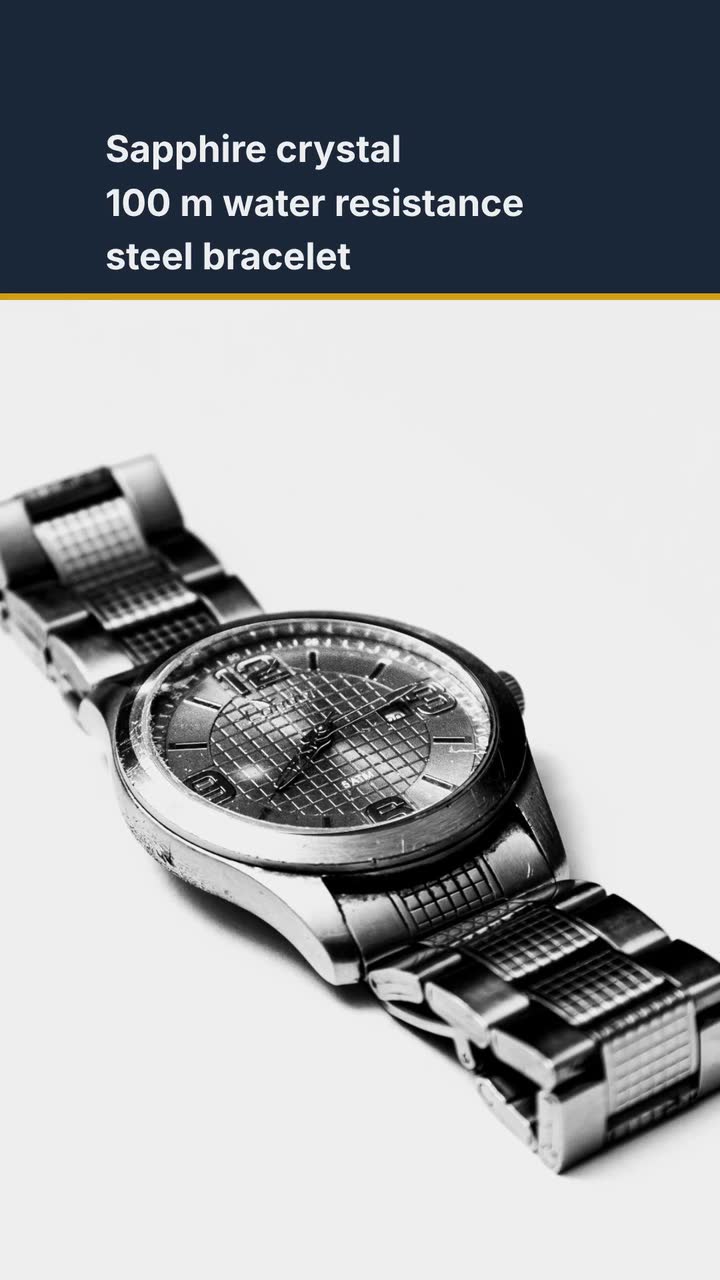
Plan videos around fit, materials, watch condition and gifting deadlines, with careful product wording and a worked watch-shop brief.
Retail and products
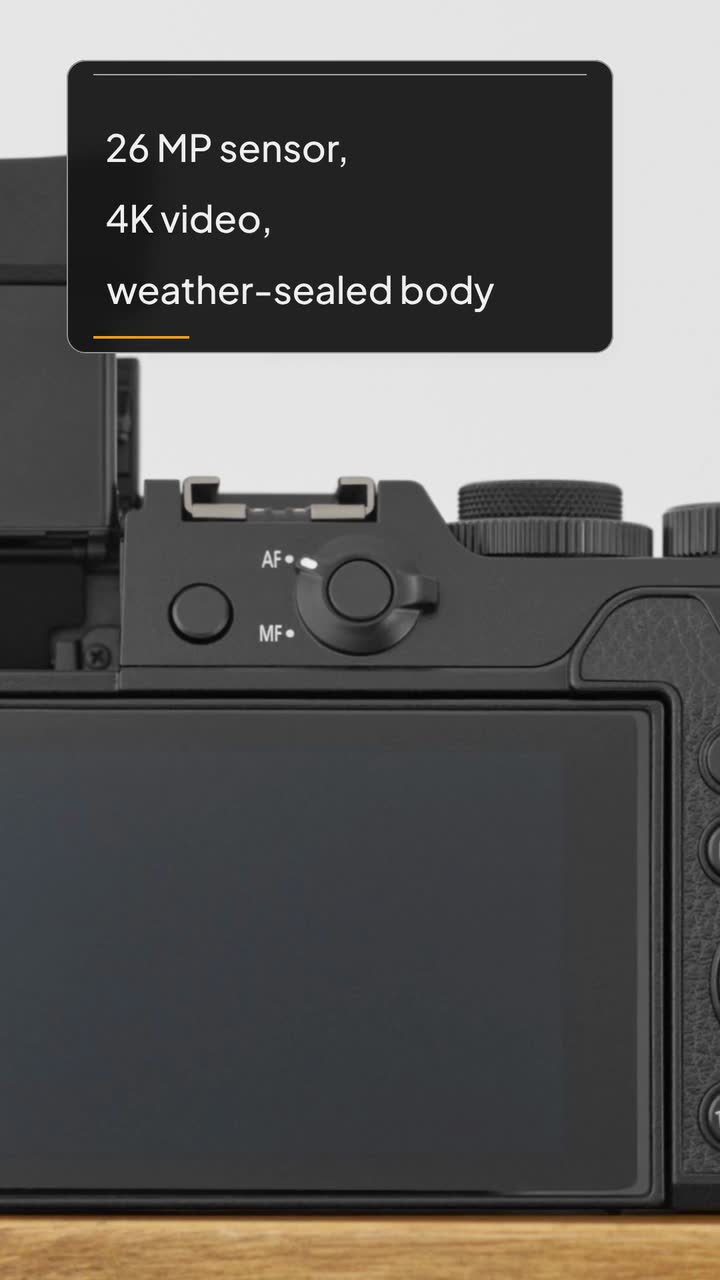
Turn product listings and customer questions into twelve useful clips: fit, compatibility, accessories, care and bundle prices.
Retail and products
Plan the reveal, buying details and launch-day close, with a sample headphone brief and checks for pre-orders and creator samples.
Tell the Attain OS team what you want to make.
Videos Creator is coming to Attain OS. You can create your Attain OS account today.