Beauty and fitness
Gym promo video ideas: offers, first visits and a year of posts
Plan gym videos around first visits, class bookings and trial offers, with a seasonal calendar and a sample pass whose conditions stay visible.
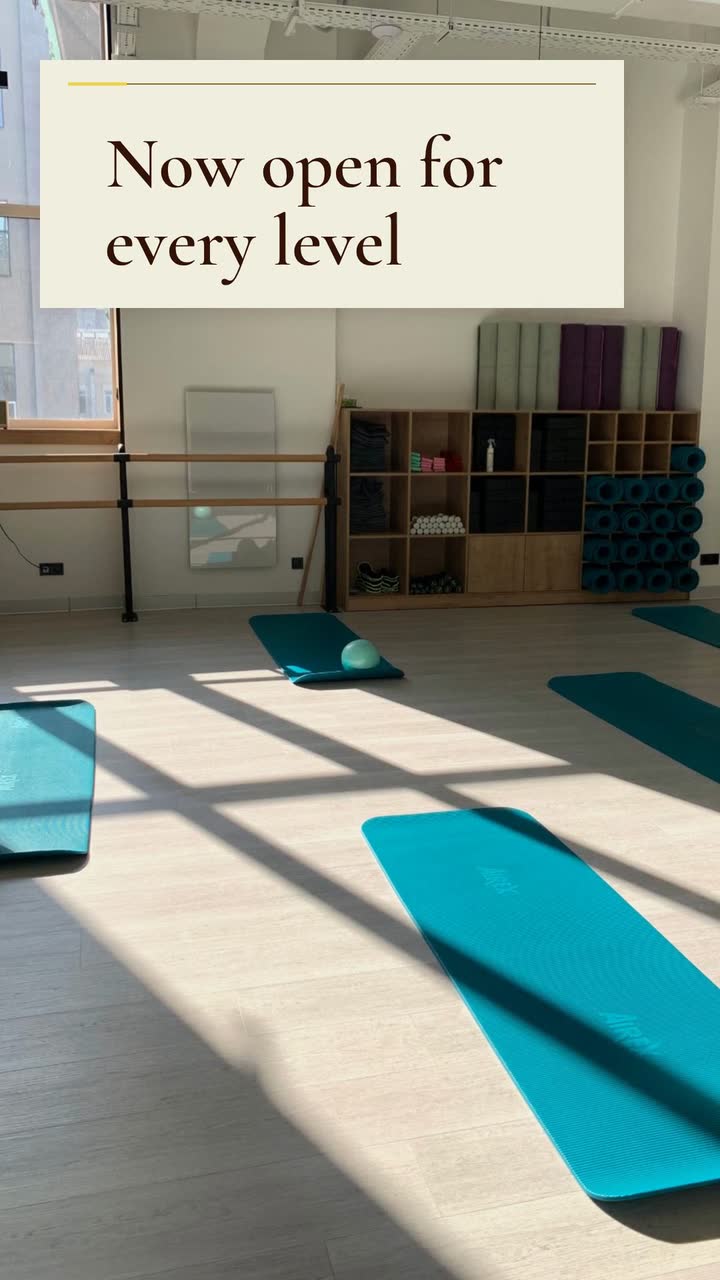
If you run a yoga studio or teach its beginner classes, use this guide to plan videos that help a newcomer choose a session and arrive prepared. You get seven first-class video ideas, a posting sequence for your next beginner series, wording checks for health claims and intro offers, and a text-only sample brief. Start with questions your reception team actually hears; you do not need to turn your feed into a library of difficult poses.
Ask reception and the teacher of your next beginner class to list the questions they answered before recent first visits. Separate questions about the practice from questions about the place: “Will I need to know the poses?” needs a teacher; “Which entrance do I use?” needs directions. Choose a question linked to a class you can actually book, rather than promoting “yoga for everyone” without a clear starting point.
Read the class description beside the booking screen. If your video says “beginners welcome” but the listing only says “Flow”, explain what that session involves: whether the room is heated, how the teacher introduces movements and whether equipment is included. Avoid promising that every body or health condition will suit the class. Ask the teacher to approve the description before filming.
Keep a note of unanswered enquiries after each post. If viewers still ask whether mats cost extra, your next video should answer that, even if the previous clip received plenty of views. Use a small-business video calendar to organise the work; let your own class dates determine the schedule.
These are starting points to adapt to your studio, not ready-made promises. Check each quoted line against your actual facilities and teaching. Post the relevant answer before that person has to choose or prepare for a class.
| The question | What to show and when | An example line to adapt |
|---|---|---|
| “Do I need to be flexible?” | Film the beginner teacher explaining how the class introduces movements. Publish alongside the next series announcement. | “Our Foundations series starts with the basics; ask us whether it suits your needs.” |
| “What should I bring?” | Show the real loan-mat shelf and a packing list before the next beginner session. State any hire charge. | “Wear clothes you can move in. Bring water; mat hire is included in this class.” |
| “Which class should I choose?” | Put beginner and regular flow descriptions side by side when bookings open. Explain pace and assumed experience. | “New to the studio? Read the Foundations description before booking a flow class.” |
| “Where do I go?” | Film the street entrance, shoe area and reception when promoting a first visit. Show stairs or other access limitations honestly. | “Use the courtyard entrance; check in at reception before entering the room.” |
| “Will the room be heated?” | Show the actual room and identify heated and unheated sessions before booking. Give safety information in the linked class description. | “Foundations is unheated. Our heated classes have a separate description.” |
| “Will I understand the teacher?” | Film the teacher naming a movement and explaining it in plain language. Publish with their class introduction. | “You can ask what a term means; we explain movements as we teach.” |
| “Can I pause?” | Have the teacher explain the class’s approach to breaks and questions. Share before the first session, without prescribing a pose for everyone. | “Tell the teacher if you need a break or help choosing an option.” |
Describe observable teaching: an unheated room, movements introduced slowly, an instructor explaining options. Remove promises to cure back pain, treat anxiety or detox the body. A research finding about a particular yoga programme does not establish what your Saturday class will do for a customer. In the US, the FTC’s health-advertising guidance explains substantiation standards, including scientific support for health claims. Check current rules where you advertise; this is editorial guidance, not legal advice.
NCCIH’s safety guidance notes that injuries can occur and recommends discussing individual needs with a health care provider and instructor for people who are pregnant, older or have health conditions. It specifically advises avoiding hot yoga during pregnancy. Put that information with a heated-class description rather than suggesting the studio can provide medical clearance.
For filming, let the teacher explain a class option without calling it “safe for everyone” or a treatment for an injury. Invite private questions before class; do not ask students to describe medical histories in public comments. This guide is not medical advice.
Compare a one-off beginner course, a class pack and a renewing membership before choosing what to promote. In the US, the FTC’s free-offer guide calls for conditions alongside the offer at the outset. Check current local rules before publishing; the checks below are editorial precautions, not legal advice.
Build around your own intake dates, timetable changes and teacher cover. Announce a beginner course before booking opens, then answer preparation questions before it starts. If you plan an outdoor community session for International Day of Yoga on 21 June, confirm the location, booking arrangements and bad-weather plan before advertising it. The UN proclaimed the day in December 2014; the date does not prove local demand.
Treat January resolutions or a return from school holidays as ideas to test, not established peaks for your studio. Check your previous bookings and local calendar. For a gift class pack, explain eligible sessions and expiry before promoting it. A studio serving shift workers may need a different schedule from one whose students attend after the school run.
For memberships, do not present a past headline as current cancellation law. In March 2026 the FTC sought comments on negative-option marketing, referring to the vacated 2024 rule. Check current rules in your jurisdiction before changing subscription terms; ask a qualified adviser about legal requirements.
Use the next series as a small campaign. This is a suggested working sequence, not a required posting frequency or a forecast of bookings.
Check that the class page has the start date, full schedule, total price, equipment details and booking route. Ask the teacher which experience level fits. Make a welcome video that sends viewers to that one listing.
Publish the class-choice video and a teacher introduction. Use the questions arriving in messages to choose the next topic. If the course fills, update the post text and point people to a genuine waitlist or the next confirmed intake.
Share the entrance clip and equipment list with booked students as well as on your feed. Show the actual arrival process and explain how to raise a question privately. Film an empty room or willing staff; ask permission before including students.
Tell students which session follows and what to do if they miss one. Record enquiries, bookings, first attendance and subsequent bookings separately. Ask newcomers what was still unclear; use that answer for the next intake rather than copying the whole campaign.
Still Point Yoga is invented. This uses the Service offer template (Checklist version) as an example brief and storyboard, not a promise of a product feature. Keep the course dates and missed-class policy in the accompanying post and booking page.
Create a 15 s, 9:16 vertical video for Still Point Yoga’s beginner series: four Saturdays at 9 am, mats provided, $60 total for the series. Use text and simple check marks, warm steady movement, and colours #7c2d12, #fcd34d and #fffbeb. Narration in English: “New to yoga? Still Point Yoga: four Saturdays at nine. Mats provided. Sixty dollars for the series. Book the beginner series on our website.” Close with the studio name and “Book the beginner series”.
| When | On screen | Why |
|---|---|---|
| 0–3 s | “New to yoga?” above “Still Point Yoga”, brown text on cream. | Identify the viewer and studio without a pose demonstration. |
| 3–7 s | “4 Saturdays · 9 am” with one gold check mark. | Give the recurring schedule room to be read. |
| 7–11 s | “Mats provided” and “$60 total”, with “Beginner series” beneath. | Answer the equipment question and identify what the price buys. |
| 11–15 s | “Book the beginner series” and “Still Point Yoga”. | Finish with the business’s own invitation; put the booking route in the post. |
| Outro | The ProcVideos outro closes the video. | |
The brief is text only. Use brown for words and gold for check marks; check the rendered contrast and read the price aloud during review. Narration comes with an SRT caption file. Each generation differs, so review the result and request changes if needed. Videos Creator is coming soon to Attain OS.
Try a brief like this one
Videos Creator is coming to Attain OS. You can create your Attain OS account today.
Choose the offer your studio can deliver clearly. A free session can introduce a regular class; a course can give newcomers a defined sequence. The offer alone does not tell you whether someone will return. State the conditions, then track first attendance and later bookings for each offer before deciding which to repeat.
Start with an empty-room tour and teacher demonstrations. If you want students on screen, ask permission and give them a way to attend without being filmed. Avoid capturing changing areas, private conversations or injury discussions. Check applicable privacy rules before publishing; this is not legal advice.
Show how to find the entrance, what equipment is available, who teaches Foundations, how it differs from regular flow and how to book. Keep the class name and next step on screen. You can explain a studio visit without asking viewers to copy a movement.
Use your studio’s actual list: clothes students can move in, water, whether mats are provided or hired, and any towel requirement for the chosen class. Include shoe storage and your arrival instructions. Tell viewers how to contact the teacher privately about individual needs.
Example templates
An example template is a sample brief and storyboard for one kind of video, in one style, format and length.
Rules and platform features change. Check the source before you rely on it.
Beauty and fitness
Plan gym videos around first visits, class bookings and trial offers, with a seasonal calendar and a sample pass whose conditions stay visible.
Beauty and fitness
Twelve salon clips: explain colour prices, film honest transformations, announce open appointments and build a colour-menu storyboard.

Health care
Turn front-desk questions into dental videos: explain insurance, visit costs and booking without exposing patients or promising treatment results.

Health care
Thirteen clinic video ideas built around reception questions, with consent checks, a posting plan and a focused microchip scan example.
Tell the Attain OS team what you want to make.
Videos Creator is coming to Attain OS. You can create your Attain OS account today.