
Construction and trades
Landscaping video ideas: ten clips that explain your work
Turn job phases, planting questions and cleanup quotes into useful clips, with a local posting plan and an illustrated backyard brief.
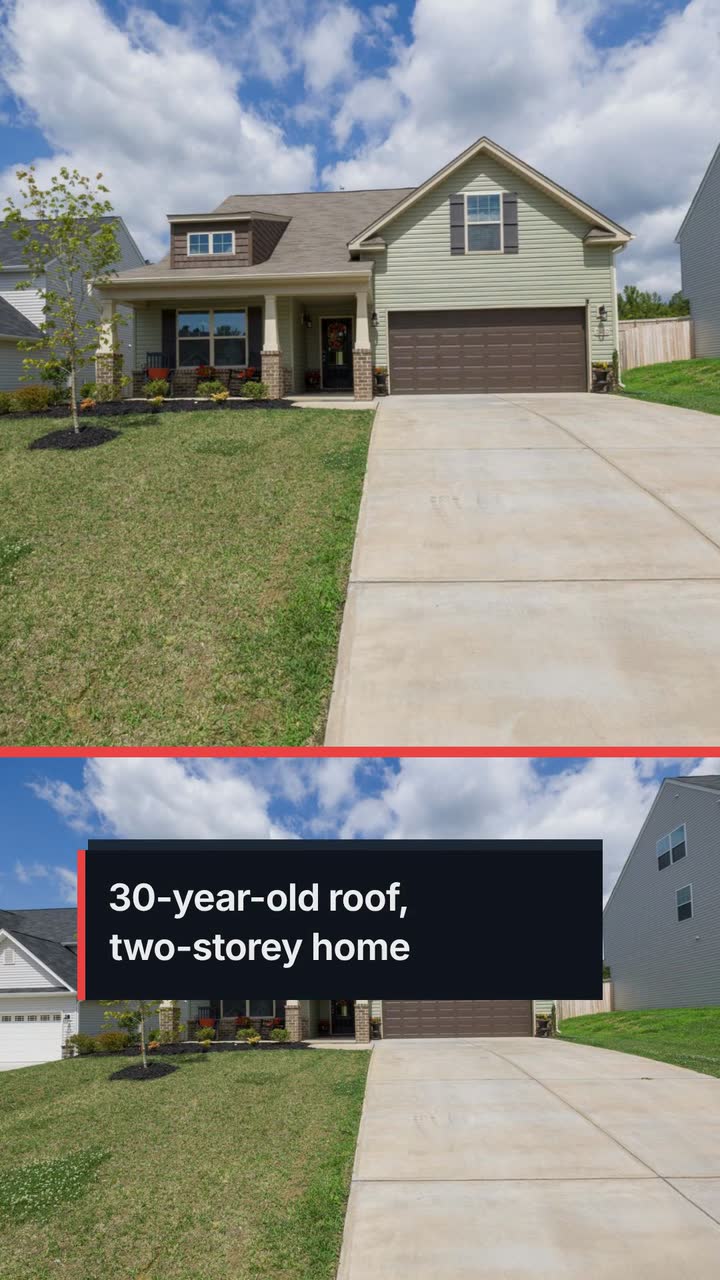
If you run a local roofing company, this guide gives you videos to plan around a storm, an inspection and a roof replacement. You will leave with specific shots and wording, a job-by-job posting sequence, and a text-only brief for an invented roofer. Use filmed work to document what happened and labelled animation to explain the sequence. The legal examples concern the United States, including a Texas insurance rule; check current rules where you work before using them in advertising.
Start with a calm message recorded indoors or from a sheltered ground-level position after conditions permit. Try: “If you can see damage without approaching it, document it and contact your insurer. We can explain our inspection process.” Texas insurance guidance recommends pictures, reporting damage and keeping repair receipts (TDI). Do not ask viewers to climb onto the roof or demonstrate a do-it-yourself tarp installation.
A follow-up can explain the first inspection: how to request it, what access you need, what it includes and how findings are delivered. If you offer temporary repairs, say how people can ask about availability. Do not imply that everyone affected needs a replacement, or announce inspection openings your crew cannot handle.
Make the next post about choosing a contractor. The FTC flags rushed signatures, demands for full upfront payment and requests to sign over insurance checks (FTC). Use a blank example estimate to explain your own scope and payment process. Blur customer details; a real contract is not a prop to publish without permission.
Treat this as an editorial menu, not a weather forecast. Pick the row that matches local conditions and the work you actually do. Skip snow topics where they do not apply; use your local rain or storm season rather than copying northern calendar months.
| When to use it | Homeowner’s question | What to show or say | Suggested next step |
|---|---|---|---|
| Before local rain or storm season | “What happens during an inspection?” | An owner explaining access, scope and the written report beside a labelled roof sketch. | Ask about inspection availability. |
| After a storm, once conditions permit | “What should I send my insurer?” | A ground-level documentation reminder; cite the insurer or regulator in the caption. | Contact your insurer about the claim. |
| Before a replacement starts | “Where will the materials and debris go?” | A permitted ground-level walk-through of delivery and debris locations; omit the street number. | Read the preparation note sent for your job. |
| While a replacement is underway | “What is being covered by the new shingles?” | An unused sample of underlayment and a labelled stage diagram. Explain the specified layer without making waterproofing promises. | Ask for the scope listed in your estimate. |
| At the job handover | “What did cleanup include?” | Your actual debris removal and magnetic sweep, filmed from outside the work area. Do not claim the site is nail-free. | Contact the named person for a cleanup concern. |
| When a homeowner is comparing bids | “Why are these estimates different?” | A fictional side-by-side list of included work, exclusions and how additional decking repairs are priced. | Compare written scopes, not just totals. |
Ask the homeowner what may be shown. Write a shot list around material delivery, debris collection and final cleanup. Send job-specific preparation instructions privately; public posts can explain the process without revealing the address, access arrangements or when the house is empty.
Choose an item already in the agreed scope, such as underlayment. Film an unused sample from the ground, or use a labelled diagram. Explain what your estimate calls for and avoid presenting an illustration as evidence of what was installed. Publish the progress update only when that stage is confirmed.
Record the completed exterior from an approved position and the cleanup you actually performed. Use the caption for the handover documents and the contact for follow-up. Keep the same viewing angle for before-and-after footage so viewers can compare the roof rather than a change in lighting.
Ask the person answering calls to note whether viewers ask about scheduling, decking allowances or warranty terms. Turn one repeated question into the next post. Count inspection inquiries separately from booked jobs; views alone do not tell you whether the post brought work.
Show your repair scope and direct coverage questions to the insurer. These are U.S. examples, not legal advice. Check current rules on advertising, claims assistance and contracts in your jurisdiction before publishing.
Replace “trusted local experts” with a verifiable detail. State your business name, service area and a working follow-up contact. If a license is required where you work, explain how a homeowner can check it with the issuing authority. FTC guidance encourages checking contractor credentials (FTC). A truck, an address or a license number on screen is not proof by itself.
Try a return-visit story with a willing past customer: identify the work you performed, when it was completed and what you are checking now. Do not call a roof problem-free just because it looks good from the street. If there is a concern, explain the next inspection step rather than turning it into a testimonial.
If you leave cards near a job, point to that process video and your contact details. Avoid leftover-material bargains and pressure to decide immediately, both FTC scam warnings (FTC). For a broader sequence of project posts, use the contractor video marketing playbook.
Use ground-level shots from a position approved by the site lead, outside delivery, debris and equipment routes. Preparation and cleanup can tell the story without a rooftop camera. For flashing or decking explanations, bring an unused sample to a workbench and point to the part your estimate describes. Name the material; do not make a universal installation tutorial from one project.
Do not treat a visible harness as a filming safety plan. OSHA’s residential guidance covers fall-protection requirements and proper use of protective systems (OSHA). Check current workplace rules with your safety lead before planning elevated filming. Skip a shot that interferes with safe access or work; a separate camera operator does not remove those obligations.
Agree what can be identified before recording. Check for house numbers, plates, faces and paperwork in the background. Permission for an inspection is not permission to market the home. Keep filmed clips in your own editing workflow: the Procedural Videos brief is text only and cannot take your job photos or recordings. Its panels can explain stages; they cannot document the installed roof.
Summit Roofing is an invented company, adapted from the roof-replacement example. The Project showcase template (Progress poster version) supplies an example brief and storyboard. This animation explains a shingle-roof replacement; it is not a before-and-after record of a customer’s house. The damaged-decking detail is part of the fictional scenario.
Create a 20 s vertical 9:16 project video for Summit Roofing about a full shingle-roof replacement on a two-story home. Use simple roof shapes and poster panels. Show removal of the old shingles, underlayment, new shingles and cleanup. Include one short fact: damaged decking replaced. Use #1f2937, #ef4444 and #f9fafb. Keep on-screen phrases short. No narration. Finish our message with “Book a roof inspection · Summit Roofing”.
| When | On screen | Why |
|---|---|---|
| 0–3 s | “Full roof replacement” above a simple roof outline. | Name the job without suggesting this is footage of a real home. |
| 3–8 s | Two numbered panels: “1 Removal” and “2 Underlayment”. | Give each phase a short label instead of a technical paragraph. |
| 8–13 s | The next panels: “3 New shingles” and “4 Cleanup”. | Keep cleanup visible as part of the requested sequence. |
| 13–16 s | One card: “Damaged decking replaced”. | Use one fictional project detail; put any real-job qualifications in the caption. |
| 16–20 s | “Book a roof inspection · Summit Roofing”. | End the business’s message with its own next step and name. |
| Outro | The ProcVideos outro closes the video. | |
Check the finished video’s labels, order and close before posting. Each generation differs; regenerate with feedback if the panels are crowded. For a real business, replace the fictional fact with documented work. Videos Creator is coming soon to Attain OS; see how the brief becomes a video.
Try a brief like this one
Videos Creator is coming to Attain OS. You can create your Attain OS account today.
If conditions make recording unsafe, do not film. Share official local weather or emergency guidance and accurate contact information. Avoid damage diagnoses, do-it-yourself roof repairs and urgency-driven offers. Prepare your inspection-process post for when conditions permit.
Only call it no-charge if that is your actual offer. State the service area, inspection scope, how findings are delivered and any conditions. Do not imply that an inspection automatically includes emergency repairs or an insurance claim. Explain the distinction in the caption and booking reply.
Give materials and workmanship separate posts. For each, identify who provides the warranty, its documented duration and where the full terms can be read. Use a short headline in the clip and the actual limitations in the linked document. Avoid “lifetime” as a stand-alone promise.
No. Approved ground-level before-and-after shots and a stage explainer can serve different parts of the story. If you commission drone footage in the U.S., check current flight rules; operations under Part 107 require a Remote Pilot Certificate ([FAA](source:8)). Use the local aviation authority outside the U.S.
Check the group’s current rules for business posts first. With homeowner permission, describe the work without identifying the exact house or sharing access details. Answer a practical question such as how debris is collected, and offer one contact for inquiries. Avoid repeated posts aimed at the same neighbors.
Example templates
An example template is a sample brief and storyboard for one kind of video, in one style, format and length.
Rules and platform features change. Check the source before you rely on it.
Construction and trades
Turn job phases, planting questions and cleanup quotes into useful clips, with a local posting plan and an illustrated backyard brief.

Construction and trades
Show how you estimate, manage permits and handle changes. A practical video plan for general contractors, custom builders and fit-out firms.
Construction and trades
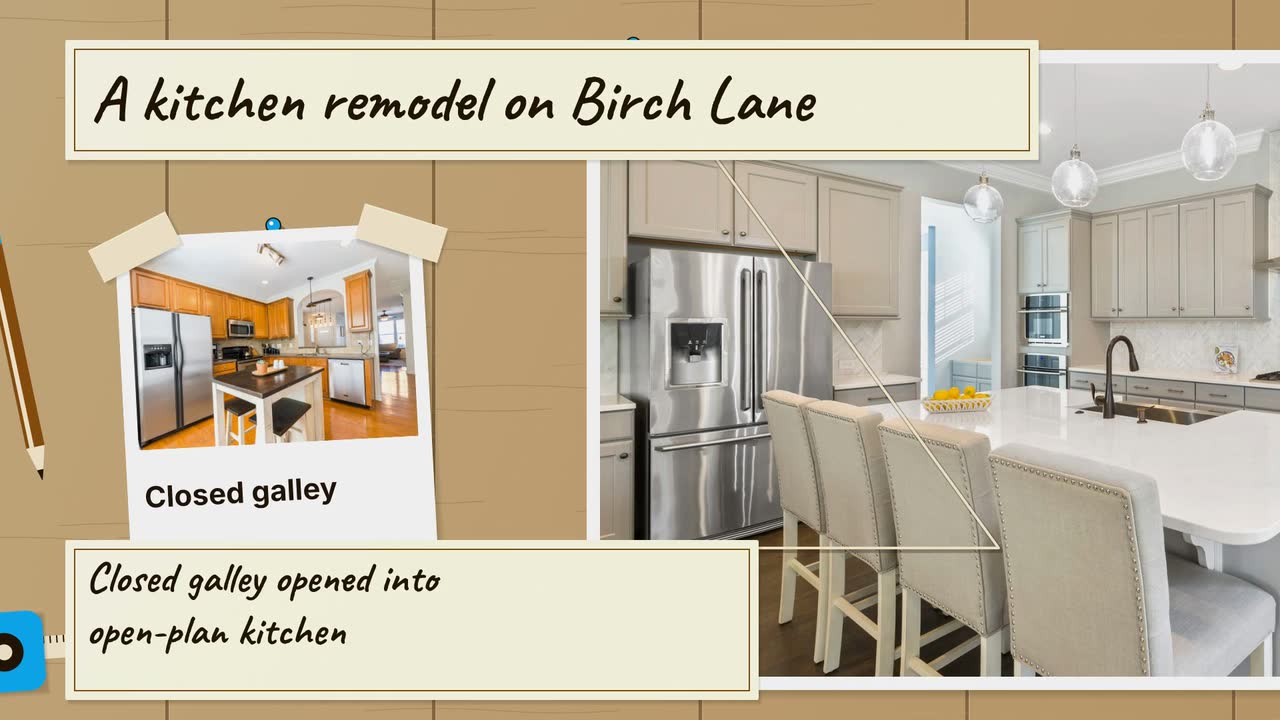
Turn a kitchen job into a clear process story: six video angles, a sample brief, and checks that keep drawings separate from real project evidence.
Construction and trades
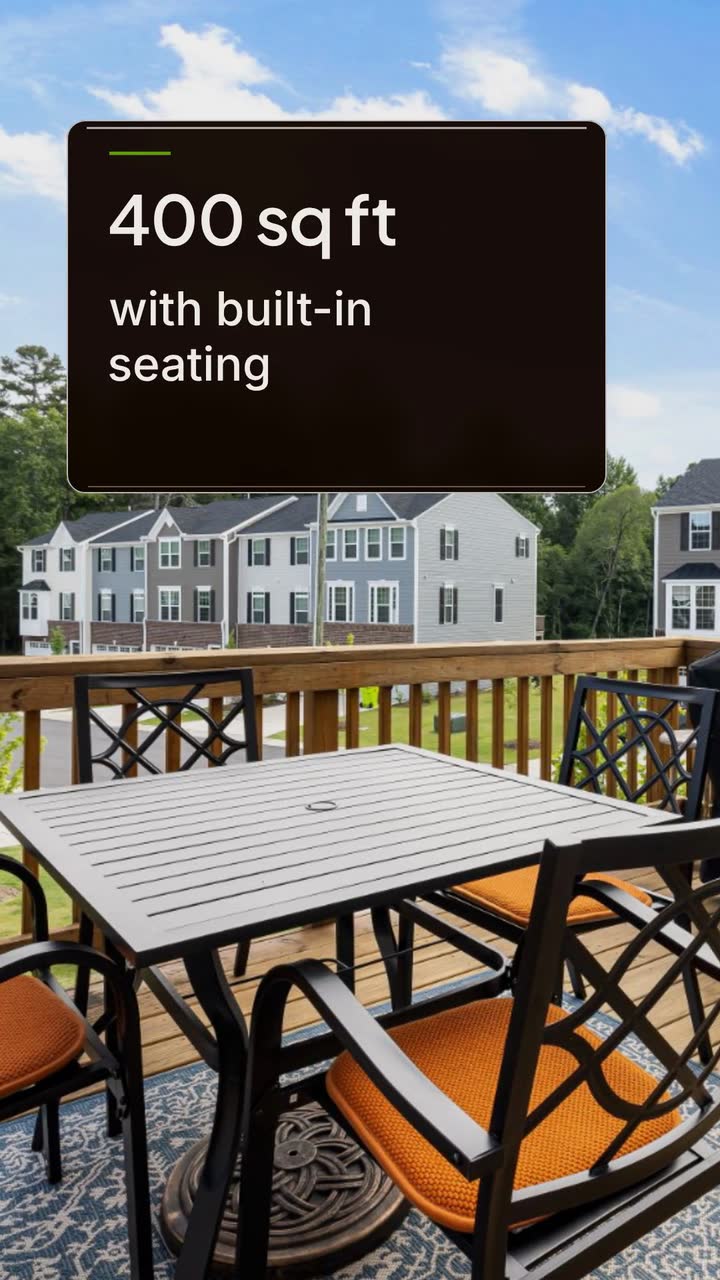
Turn deck design questions and real build milestones into a seasonal posting plan, without inventing prices, inspection results or finished projects.
Tell the Attain OS team what you want to make.
Videos Creator is coming to Attain OS. You can create your Attain OS account today.